
Week 33
Week 33 of Pregnancy
Your baby is now the size of a coconut, continuing to grow stronger and more developed every day.
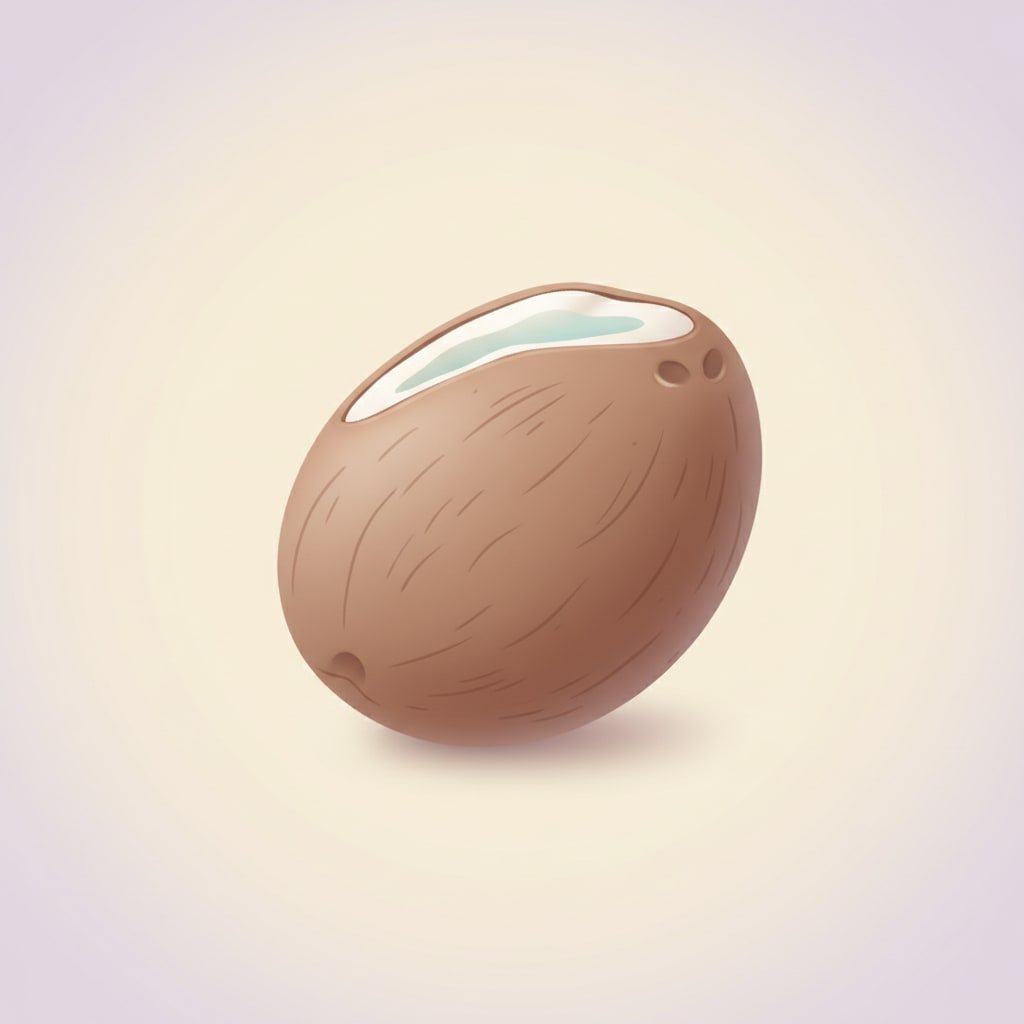
Baby's size this week
About the size of
a coconut
- Length
- 17.3 in (44 cm)
- Weight
- 4.19 lb (1.9 kg)
About the size of a coconut, your baby is gaining weight rapidly and preparing for life outside the womb.
Sophie reads you this week
A short note, out loud·1:13
What to Expect
Your baby is now the size of a coconut, and their development is in full swing. Most of their major organs are fully formed, and their brain is undergoing rapid growth. They’re practicing breathing movements, even though they’re still relying on you for oxygen.
You might notice their movements feel different, stronger but perhaps less floppy. This is because they’re running out of room in there! You’ll likely feel more rolls and stretches than sharp kicks. Keep tracking those movements; they’re a reassuring sign of your baby’s health.
Your body is also changing. Your uterus is now pushing up against your diaphragm, which can make breathing feel a bit more labored. You might also feel increased pressure in your pelvis as your baby settles lower in preparation for birth.
Sleep might feel elusive these days. Between frequent bathroom trips and finding a comfortable position, rest can be a challenge. Propping yourself up with pillows or trying a side-sleeping position can help.
Things to Be Aware Of
Braxton Hicks contractions are common at this stage. These “practice” contractions can feel like a tightening of your belly and are usually irregular and painless. If they become regular or intensify, it’s worth mentioning to your provider.
Swelling in your feet, ankles, and hands is normal due to increased fluid retention. However, sudden or severe swelling, especially accompanied by headaches or vision changes, could be a sign of preeclampsia and should be checked immediately.
Third-trimester fatigue is real. Your body is working hard to support your growing baby, so it’s okay to slow down and rest when you need to. Common guidance suggests listening to your body and prioritizing self-care.
Heartburn and indigestion might also ramp up as your uterus presses on your stomach. Eating smaller, more frequent meals and avoiding spicy or greasy foods can help.
What Might Happen
Around this time, your provider might check your baby’s position. Most babies are head-down by now, but some are still breech. If your baby hasn’t flipped yet, don’t worry, there’s still time, and your provider can discuss options if needed.
You may also have a Group B strep (GBS) test soon, typically between weeks 35 and 37. This simple swab test checks for bacteria that could affect your baby during birth. If you test positive, antibiotics during labor will protect your baby.
Over the next few weeks, you’ll likely start discussing your birth plan more in detail with your provider. This is a good time to think about what you want and what your options are.
Finally, pack your hospital bag if you haven’t already. Having essentials ready can give you peace of mind as you approach your due date.