Newborn·4 min read
Sleep Needs by Age, School Edition
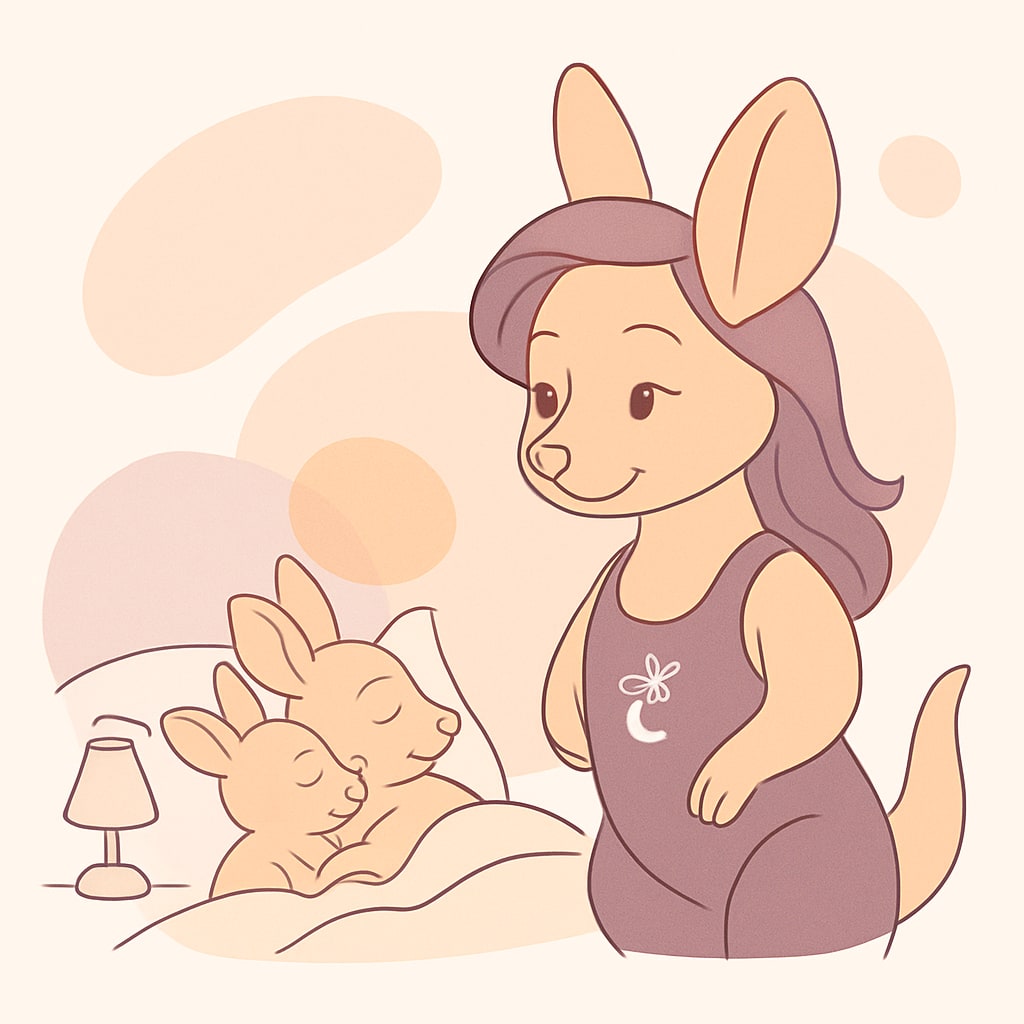
The first time I realized that my child was a different kind of tired was when I picked them up from school and they almost fell asleep in the car on the way home. I watched them drift off with a sleepy head bob, and it hit me: school can be exhausting. For a child who is learning and growing every day, managing friendships, homework, and the countless "firsts" that come with school, understanding their sleep needs becomes essential.
Why sleep matters more than ever for school-age kids.
As your little one transitions into the school-age years, their sleep requirements shift. Sleep fuels learning. It’s not just about resting their heads; it’s about processing information, storing memories, and having enough energy to fully participate in their daily adventures. Just like you feel more refreshed after a good night’s sleep, children thrive when they're well-rested.
Your school-age kid typically needs around 9 to 11 hours of sleep to function at their best. This is a period of life filled with imagination and growth, and adequate sleep supports everything from cognitive development to emotional regulation. Reassure yourself that they're not the only ones negotiating the delicate balance between bedtime and everything else.
Key signs your child needs more shut-eye.
- Mood swings. If your child is more irritable than usual, it might be time to check their sleep schedule.
- Difficulty concentrating. Are they struggling with grades or focus? A lack of sleep can easily rob kids of their attention span.
- Frequent colds or illness. A tired kid's immune system isn’t as strong. Extra zzzs might help keep the sniffles away.
Sleep’s impact is profound, it’s not just about the hours, but the quality, too. Encouraging your child to develop a calming bedtime routine can lead to deeper, longer-lasting sleep, which makes all the difference in how they feel come morning.
Creating the perfect sleep environment.
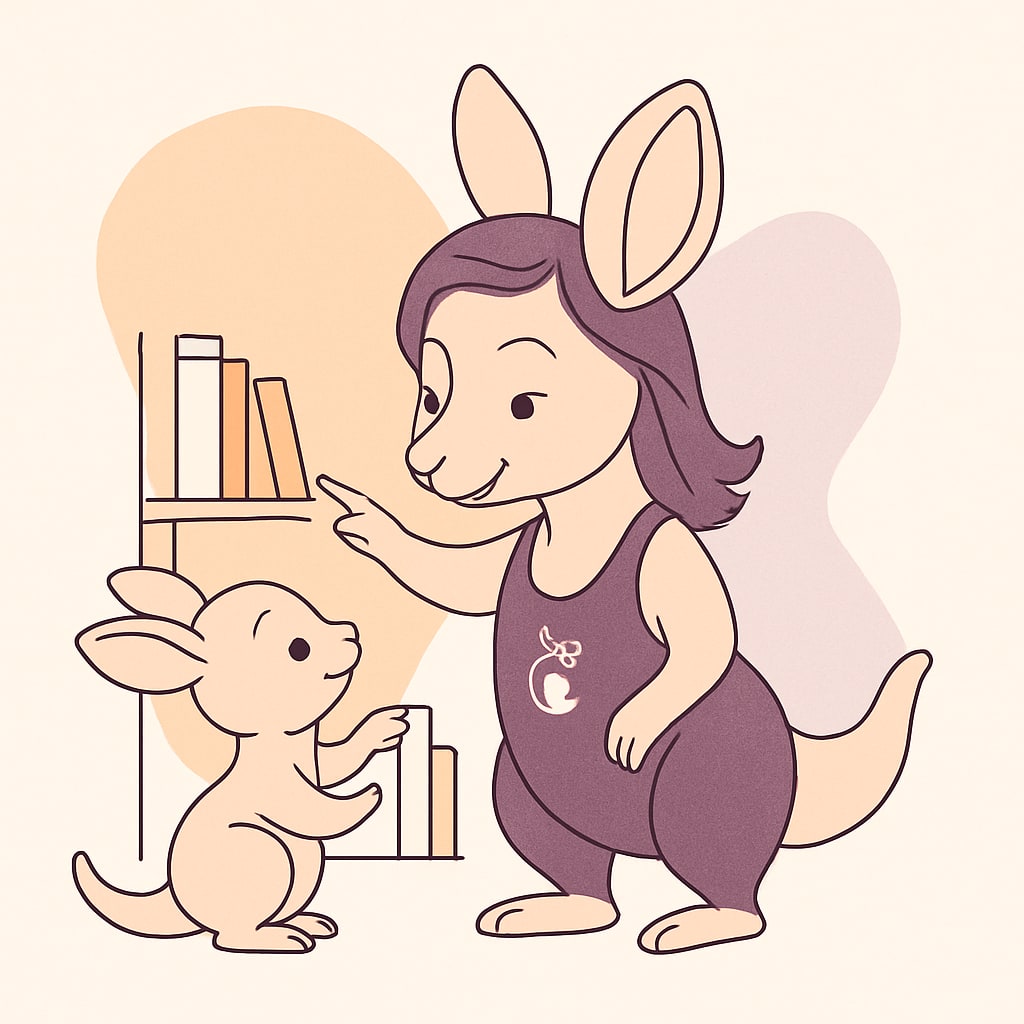
Now, let’s talk about the sleep environment. It matters, probably more than you think. Make sure their sleep space feels safe and inviting. A dark, quiet room can signal to your child that it’s time to wind down. Consider soft colors, plush blankets, and well-placed nightlights to ease any bedtime fears.
Encouraging autonomy around sleep is just as important. Help your child take ownership of their bedtime routine, whether it’s choosing a book to read together or picking out their pajamas. This is empowering for them and can transform bedtime from a struggle into a shared moment of peace.
Embrace the nap if needed.
You might find that your child still benefits from a midday nap, especially during busy weeks. Napping isn’t just for little ones! It can be a wonderful way to recharge, just watch that it doesn’t mess with nighttime sleep too much. Capacity for sleep ebbs and flows, and being adaptable to your child’s needs will serve both of you well.
So here you are, navigating the world of school-age sleep with all its challenges and rewards. Remember that you’re not alone, and every child is unique in their needs. Trust your instincts, and pay attention to the cues they give you. You're doing great, one sleepy night at a time.
- sleep
- school-age
- parenting
Keep reading
More from the blog
 Newborn
When your kid only wants to wear one outfit
You wake up one morning to find your toddler in the same shirt they've insisted on wearing for the past two weeks. Here's why it happens, and how to navigate it without a battle.
 Newborn
How to encourage your toddler's independence without losing your mind
The push for autonomy is developmental gold. It’s also exhausting. Here’s how to foster independence without losing your grip (or your patience).
 Newborn
Why Does My Toddler Suddenly Hate Baths?
You’re mid-bath routine when your toddler screams, arches their back, and refuses to get in the tub. What changed? Here’s what might be going on, and how to handle it.