Newborn·4 min read
Teaching Kids About Money Early
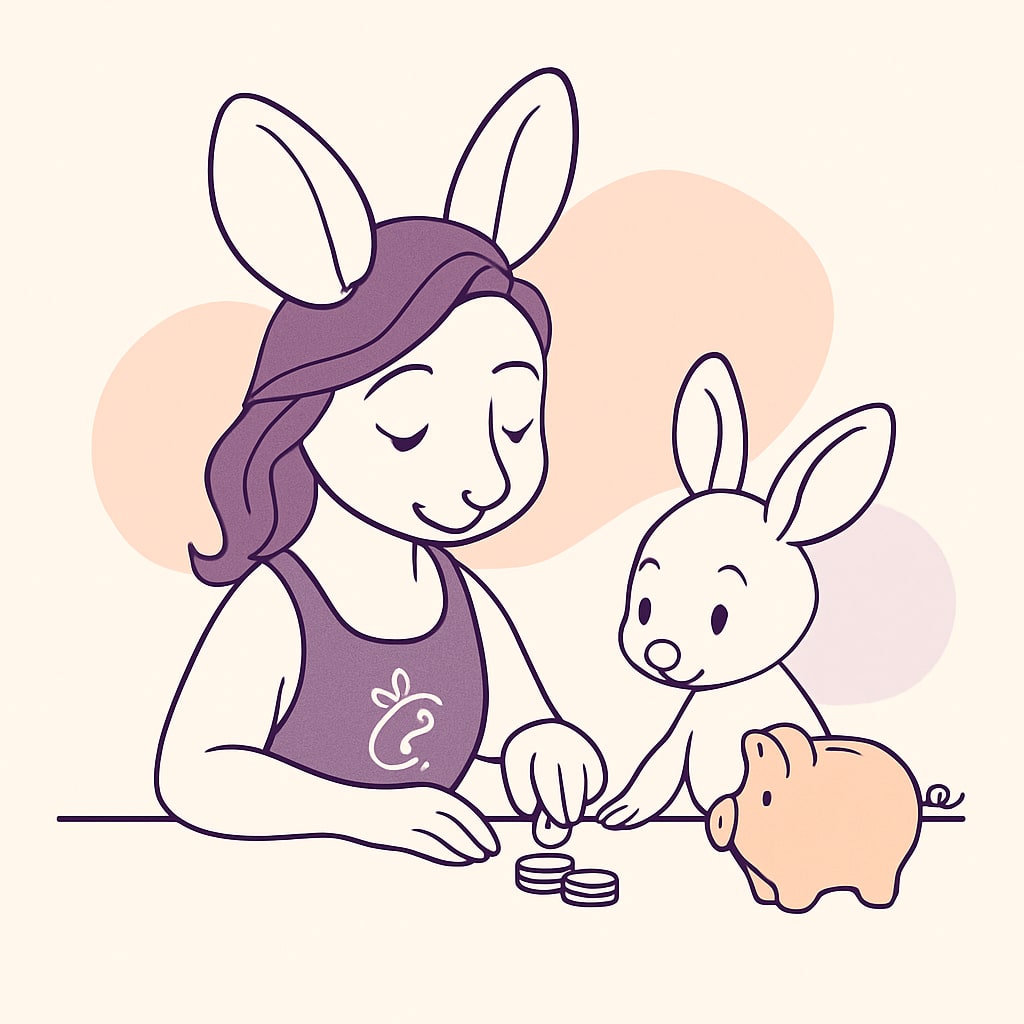
The first time your toddler held a coin in their little hand, stared at it like it was magic, and said, "What's this?", you might have felt a flutter of panic. It’s a moment that stirs up all kinds of questions: How do I explain money? When is the right time? And will they even understand? Just remember, you’re not alone. You’re laying the foundation for an essential life skill.
Before you dive into dollar bills and savings, it helps to think about what you wish you had learned sooner. Kids are like sponges, absorbing what they see and hear. The earlier you begin teaching them about money, the more confident they’ll become in their financial decision-making down the road. Simple conversations can lead to big understanding.
Money is more than just coins and bills.
When you talk to your kids about money, remember: it’s not just about spending and saving. It’s about values, choices, and responsibility. What does money mean to you? You might say, "It helps us buy the things we need, like food and shelter, and even some fun things, too!" You’re already planting seeds for understanding worth.
You can start teaching kids about money practically from home by weaving it into everyday moments. It can be as effortless as asking them to help you decide how to spend a grocery budget, or talking about your bills when they see you sorting your finances.
Little lessons can add up to big impacts.
- Play pretend. Set up a lemonade stand for them. It teaches the basics of earning while being fun.
- Use visuals. Show them jars or envelopes for saving, spending, and sharing. Help them see money in a tangible way.
- Talk about wants vs. needs. Use everyday scenarios to explain the difference, like choosing between toys and groceries.
- Involve them in budgeting. Have them help plan a family outing and set a budget. It’s a great way to teach accountability.
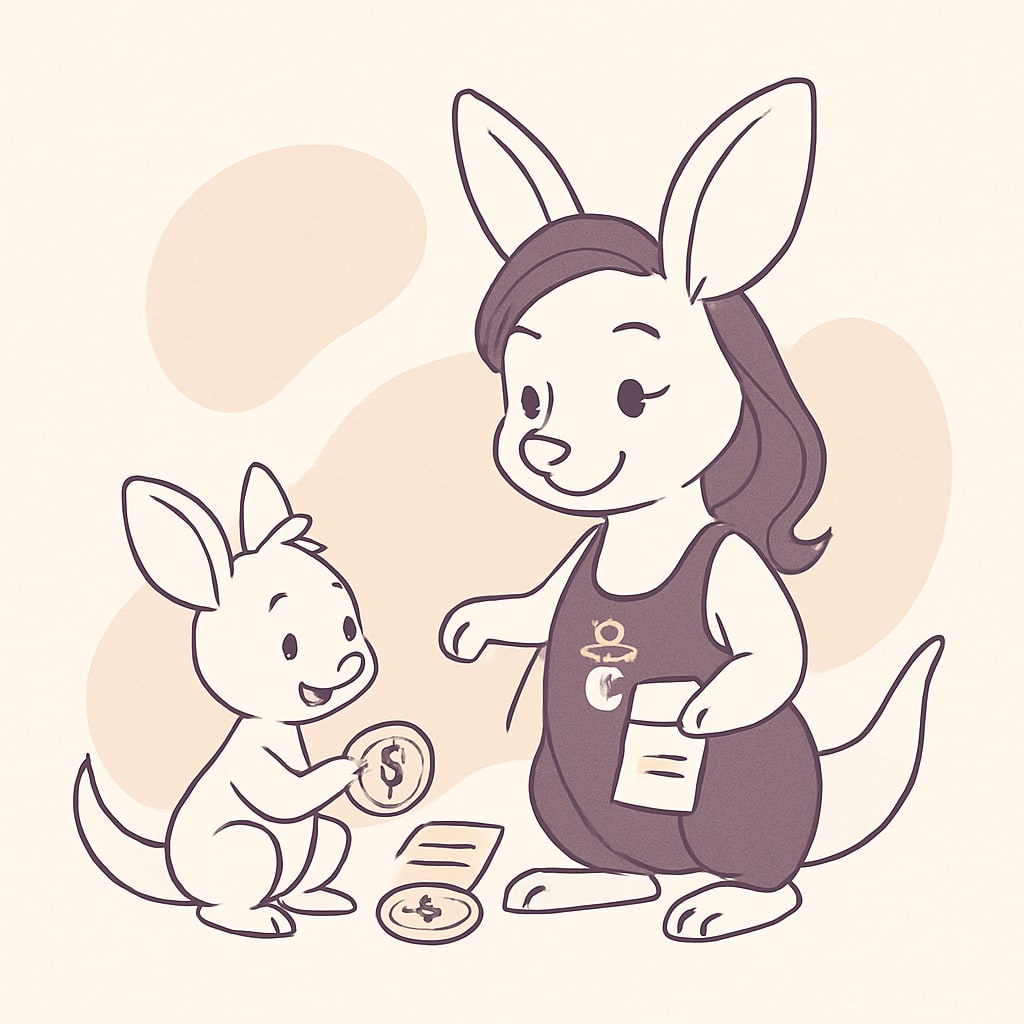
Trust the process, even when it feels tricky.
It’s easy to feel overwhelmed teaching your kids about finances, especially in a world filled with subtle pressures to spend. Just remember, the goal isn’t to burden them with worries, but to equip them with tools. You’re doing them, and yourself, a service by opening up these conversations.
Continue to engage them in age-appropriate ways and celebrate their small wins along the way. If they grasp the concept of saving for a toy or understand choosing products by price, rejoice with them! These are the tiny victories that build a healthy relationship with money. So, breathe deep and trust the process. You're not just teaching them how to balance a checkbook; you're helping shape their future.
- parenting
- money
- financial literacy
- preschool
- education
Keep reading
More from the blog
 Newborn
When your kid only wants to wear one outfit
You wake up one morning to find your toddler in the same shirt they've insisted on wearing for the past two weeks. Here's why it happens, and how to navigate it without a battle.
 Newborn
How to encourage your toddler's independence without losing your mind
The push for autonomy is developmental gold. It’s also exhausting. Here’s how to foster independence without losing your grip (or your patience).
 Newborn
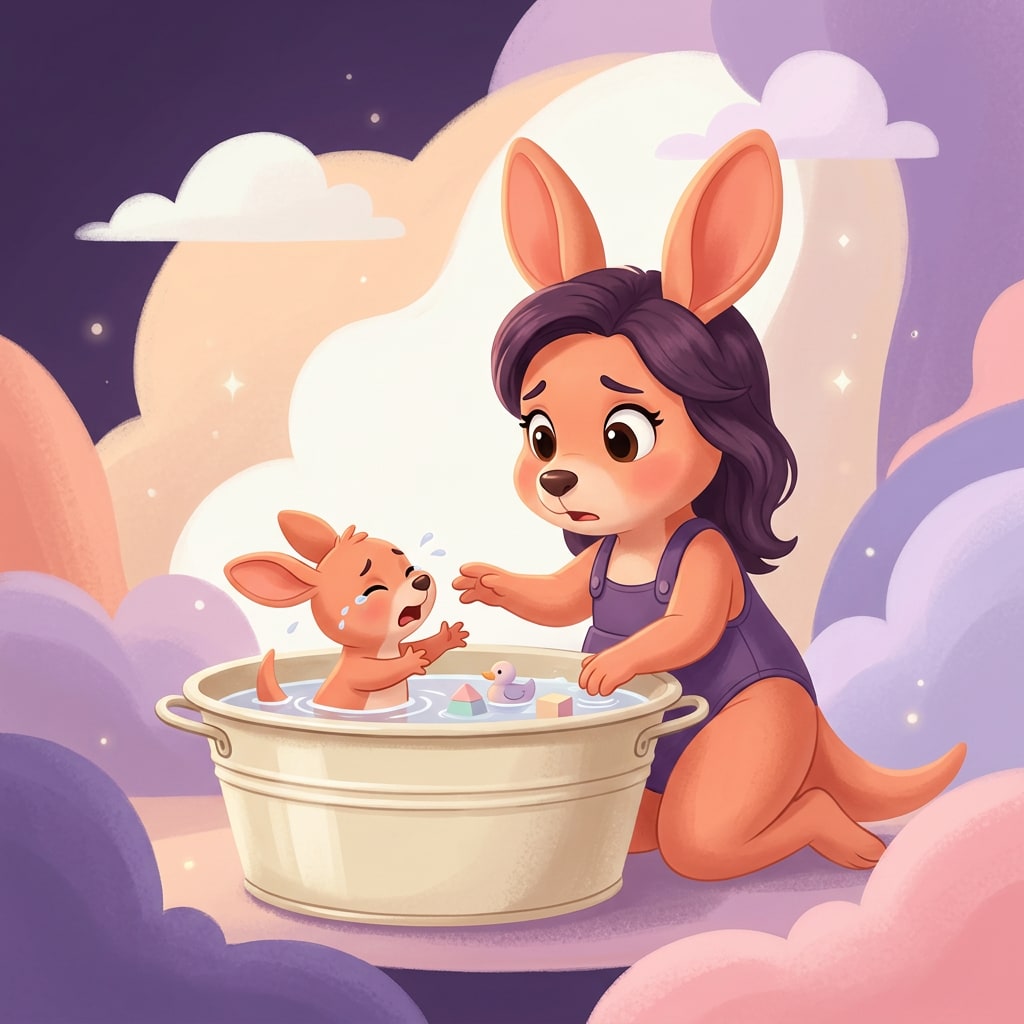
Why Does My Toddler Suddenly Hate Baths?
You’re mid-bath routine when your toddler screams, arches their back, and refuses to get in the tub. What changed? Here’s what might be going on, and how to handle it.